
HVAC Energy Saving Tips: Stay Cool Without Spiking Your Bills

Your HVAC system keeps your home comfortable—but it can also drive up your energy bills if it’s not running efficiently. That’s why knowing the best HVAC energy saving tips can make a real difference in your wallet and your comfort.
Here’s how to reduce energy usage, extend your system’s lifespan, and stay cool all season long—without breaking the bank.
1. Replace or Clean Your Air Filters Regularly

Dirty filters restrict airflow and make your HVAC system work harder than it should. Replace your air filter every 1–3 months, or more often if you have pets or allergies.
One of the most effective HVAC energy saving tips for homeowners is simply staying consistent with this easy maintenance task. Clean filters improve air quality and help your system run more efficiently.
According to the U.S. Department of Energy (DOE), replacing a dirty filter can lower your air conditioner’s energy consumption by 5% to 15%.
2. Seal Leaky Ductwork
Up to 30% of conditioned air is lost through leaks in your ductwork. Sealing gaps, joints, and cracks ensures more efficient heating and cooling.
For maximum efficiency, consider professional duct sealing for energy efficient HVAC systems—a smart investment that pays off quickly by reducing waste and improving air circulation.
3. Install a Programmable or Smart Thermostat
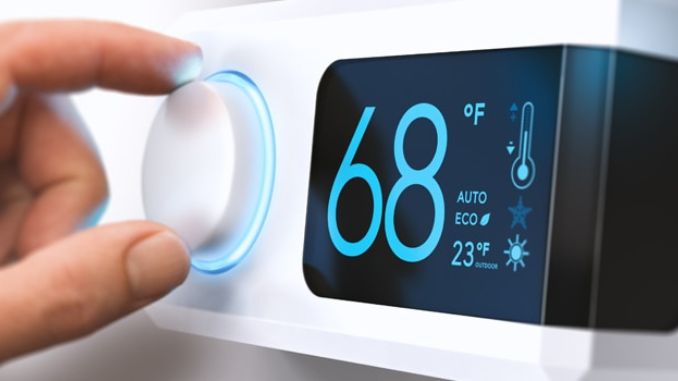
Smart thermostats adjust your home’s temperature based on your schedule. You can reduce energy use while you’re away or sleeping without sacrificing comfort.
This is one of the top energy-saving thermostat settings for HVAC efficiency recommended by experts and energy agencies. Smart devices make saving energy automatic and stress-free.
4. Use Ceiling Fans Strategically
Ceiling fans don’t lower the temperature, but they make you feel cooler by moving air. Use them in occupied rooms and turn them off when not in use.
When paired with thermostat adjustments, ceiling fans become an effective and affordable way to save on HVAC energy costs.
5. Schedule Regular HVAC Maintenance

Your system should be professionally inspected and tuned up at least once a year. This includes:
- Checking refrigerant levels
- Inspecting electrical connections
- Cleaning coils and condensate drains
- Verifying proper system operation
Routine tune-ups are part of the best practices for HVAC energy savings during summer, ensuring you don’t overspend during peak cooling seasons.
6. Upgrade to an Energy-Efficient HVAC System
If your system is more than 10–15 years old, you might be better off replacing it. Today’s high-efficiency models use less energy to do more work.
Look for ENERGY STAR® certified HVAC systems for lower energy bills—they meet strict energy performance standards and reduce long-term costs.
Final Thoughts
Saving energy doesn’t mean sacrificing comfort. With just a few changes, you can maximize your system’s efficiency, reduce utility costs, and extend the life of your HVAC.
Want to make sure your HVAC is running at peak performance? Schedule a system checkup with AirMax Experts today and let our pros help you start saving energy—and money—right away.
FAQs
What are the best energy saving tips for summer with HVAC?
In summer, set your thermostat to 78°F when you’re home and higher when away, use ceiling fans to circulate cool air, close blinds to block sunlight, and schedule annual AC maintenance. These steps reduce HVAC strain and keep energy bills manageable.
How can I save energy with my HVAC in winter?
During winter, set your thermostat to 68°F while awake and lower it when sleeping or away. Seal drafts around windows and doors, replace air filters regularly, and consider using a programmable thermostat to reduce heating costs without sacrificing comfort.
What are 10 easy ways to save electricity at home?
Simple ways include: replacing old bulbs with LEDs, unplugging devices when not in use, using energy-efficient appliances, insulating your home, washing clothes in cold water, adjusting thermostat settings, sealing air leaks, using ceiling fans, reducing hot water heater temperature, and running full dishwasher loads.
How do refrigerators affect home energy savings?
Refrigerators are one of the largest energy users in homes. Keep the temperature at 37–40°F, clean condenser coils, avoid overloading, and replace old models with ENERGY STAR® certified refrigerators to cut electricity costs significantly.
Are energy-efficient HVAC systems worth it for homes and businesses?
Yes. Energy-efficient heating and cooling systems can reduce energy consumption by 20–40%. For homes, they lower monthly bills and improve comfort. For commercial buildings, they also reduce operational costs and support sustainability goals.