
The Complete Guide to Ventilating a House (Without Wasting Energy)

Indoor air can be 2 to 5 times more polluted than outdoor air. Without proper ventilation, moisture, allergens, and pollutants build up quickly—especially in tightly sealed homes.
Whether you’re living in a new build or a decades-old structure, ventilating a house properly isn’t just about comfort—it’s about your health, energy efficiency, and long-term savings.
Here’s how to do it right.
1. Natural Ventilation Still Matters

Don’t underestimate the power of opening windows and doors when the weather allows. Natural airflow helps push out stale air and bring in fresh oxygen. It’s the easiest and most budget-friendly method of ventilating a home without an HVAC system.
That said, it’s not always practical in winter or high-pollution areas. That’s where mechanical solutions come in.
2. Use Exhaust Fans the Right Way

Bathrooms and kitchens are hotspots for moisture and odor. Always use your exhaust fans when showering or cooking. Just 15–20 minutes of fan use can significantly improve airflow in specific areas of the house.
Tip: Clean the fan blades and grills every few months to ensure efficiency.
3. Invest in Whole-House Ventilation Systems

For consistent airflow across your entire home, whole-house systems like HRVs (Heat Recovery Ventilators) and ERVs (Energy Recovery Ventilators) are game-changers. These systems help in improving indoor air quality through ventilation by exchanging stale indoor air with filtered outdoor air—without losing heat.
This is especially useful for energy-efficient, airtight homes. Learn more about how HRV and ERV systems work at Energy.gov.
4. Don’t Forget Bedrooms and Living Areas
A common mistake is only ventilating kitchens and bathrooms. Use trickle vents or add ductless fans in bedrooms and living rooms to support better air circulation throughout the home.
When every room gets fresh air, you reduce allergens and mold risk significantly.
5. Keep Your System Clean
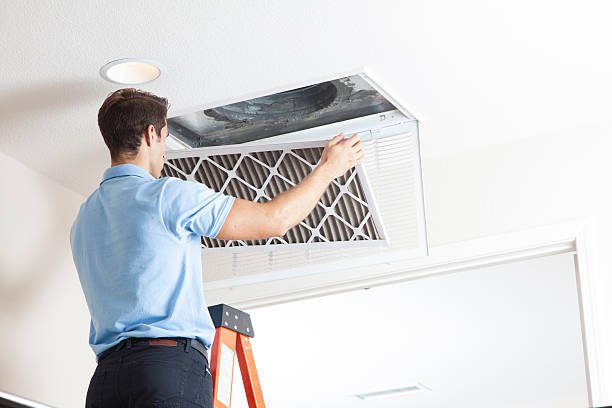
Filters, ducts, vents—everything in your ventilation system needs regular cleaning. Blocked or dirty components reduce airflow and can even recirculate pollutants.
Regular maintenance is a must if you’re ventilating a house with central air or any other forced-air systems.
6. Balance Moisture and Air Exchange
Too much ventilation can dry out your air; too little can cause mold. Use a hygrometer to monitor indoor humidity. Aim for a humidity level between 30% and 50% for comfort and safety.
When done right, balancing airflow and humidity in home ventilation leads to better health, lower bills, and longer-lasting structures.
Still unsure if your home is properly ventilated? Our licensed HVAC pros can inspect, upgrade, or install efficient home ventilation solutions customized for your layout.
Contact us today and breathe easier tomorrow.
Frequently Asked Questions
How do you properly ventilate a house?
Use windows, exhaust fans, and systems like HRVs or ERVs to keep air fresh and remove moisture.
What does it mean to ventilate a house?
It means replacing stale indoor air with fresh outdoor air to improve air quality and comfort.
How do I know if my house is properly ventilated?
Good airflow, no mold or odors, and clear windows are signs of proper home ventilation.
What happens if you don’t ventilate your house?
Poor ventilation causes mold, odors, and health issues from trapped pollutants.
What are the benefits of ventilating a house year-round?
It improves air quality, reduces moisture, and keeps your home comfortable all year.