
How Different Weather Conditions Affect an HVAC System
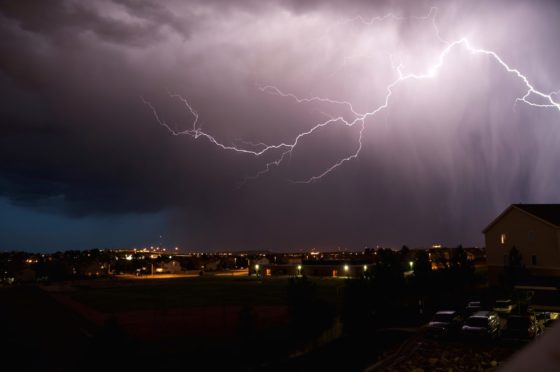
HVAC units are designed to maintain comfort year-round but extreme weather can cause short- and long-term damage. Outdoor units face risks from wind, flying debris, heavy rain, snow, and ice, while indoor components may be affected by moisture and temperature swings.
To minimize weather-related damage and extend HVAC life, homeowners should:
-
Schedule regular HVAC maintenance and inspections
-
Install surge protectors to guard against electrical surges
-
Secure outdoor units with hurricane straps or tie-downs
-
Clear debris and trim nearby foliage around outdoor units
-
Ensure proper drainage to prevent water pooling
-
Use breathable covers during off-season to protect without trapping moisture
-
Winterize units and elevate components prone to flooding
Taking these proactive measures helps prevent costly repairs. Improve HVAC efficiency, and maintain optimal system performance & extend the life of your HVAC units.
HVAC & Heavy Storms and High-Speed Winds
High-speed winds can loosen and damage critical components of your outdoor HVAC unit. Flying debris may break fan blades, panels, and electrical connections, while dust and dirt blown into the system can clog evaporation coils. These clogs create ideal conditions for mold growth, reducing indoor air quality and system efficiency.
Clogged coils restrict airflow, preventing your HVAC from effectively heating or cooling your home. After a storm, if your unit makes unusual noises or fails to operate, it’s essential to contact an HVAC professional for inspection and repair.
How Heavy Rains Impact Your HVAC System
Heavy rain can harm both indoor and outdoor HVAC components like ductwork, air handlers, furnaces, evaporators, and heat exchangers. Outdoor coils made of copper and aluminum resist damage, but shifting AC pads from water force or erosion can cause electrical shorts.
Rain combined with wind can blow wet debris into the unit, clogging coils and promoting mold growth. Poor drainage leads to stagnant water, increasing corrosion risks. Avoid plastic covers as they trap moisture and cause rust and mold.
Protect your HVAC by ensuring proper drainage, clearing debris after storms, and regularly maintaining your system for efficient, lasting performance.
HVAC & Change in Temperatures
HVAC units are built to operate in a range of temperatures but extreme heat or cold can strain the system and reduce efficiency. When temperatures exceed 100°F, air conditioners work harder. Consuming more energy and risking overheating or breakdowns. Similarly, in extreme cold, heating systems and heat pumps use more energy and may struggle to maintain warmth.
Running your HVAC system continuously without breaks during extreme weather increases wear and energy bills. Regular maintenance, proper insulation, and energy-efficient upgrades. Can help your system handle temperature extremes and extend its lifespan.
How Snow and Ice Affect Your HVAC System
Snow and ice buildup around your HVAC unit can cause serious problems, including bending coil fins and fan blades, leading to reduced efficiency and potential system failure. Melting snow that refreezes can freeze internal components, causing them to strain or malfunction. Blocked airflow from snow and ice forces the system to work harder, increasing energy consumption and costs.
Prolonged exposure to moisture from ice and snow can corrode metal parts, weaken components, and cause rubber seals to deteriorate. Heat pumps use defrost cycles to manage ice, but excessive buildup can reduce their durability and raise operating costs. Common issues also include frozen pipes and rust buildup.
If you need your Burbank area HVAC system serviced or your AC repaired, reach out to the certified and reliable HVAC techs at Air Max HVAC. We’ve been building up HVAC experience and credibility in furnace maintenance and AC installations for years, wowing clients with our excellent electric furnace, AC, heat pump installation, and repair services. Our clients bet on the quality of our indoor air-boosting services. We’re have been accredited to install air purifiers, humidifiers, germicidal lights, dehumidifiers, and ventilation. Our techs also provide home energy audits, utility rebate appraisals, and indoor air quality audits. Call us today!
Tags: Weather