
What is HVAC Systems? A Complete Homeowner’s Guide
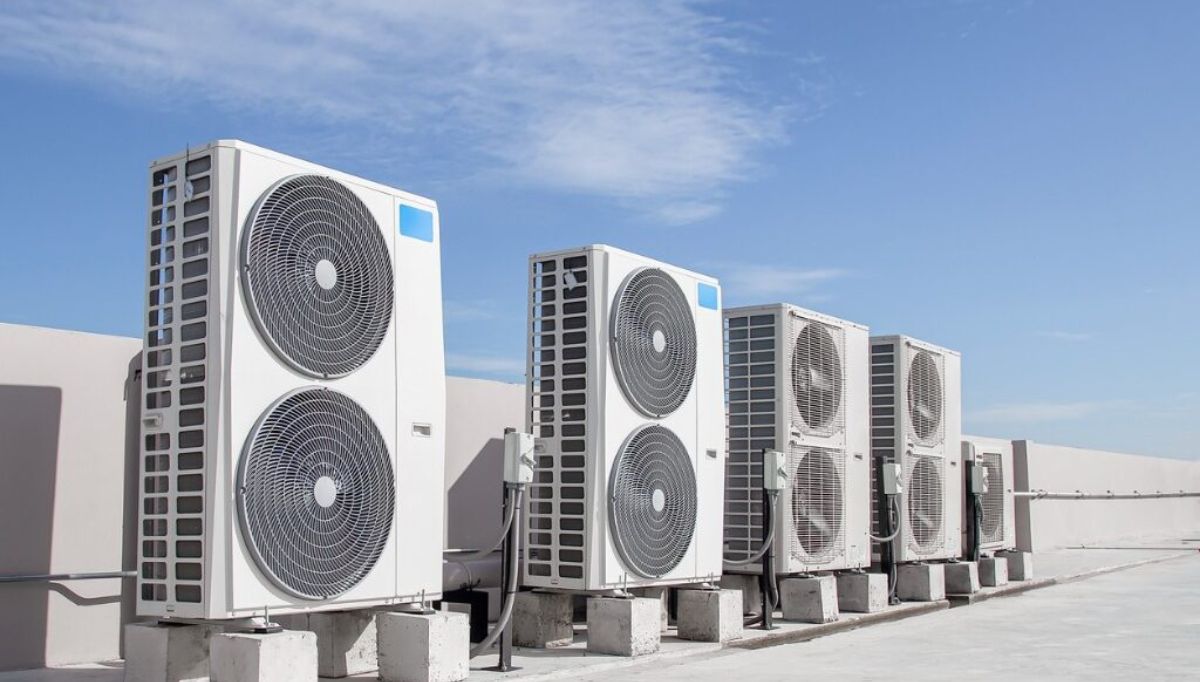
Understanding what is HVAC systems is essential for anyone looking to improve indoor comfort, lower energy bills, and maintain better indoor air quality. HVAC stands for Heating, Ventilation, and Air Conditioning, and it plays a vital role in every modern home. Whether you’re upgrading or just curious, this guide covers everything you need to know.
Many homeowners ask, “what is included in a residential HVAC system?” The typical setup consists of:
- A furnace or heat pump for heating
- An air conditioning unit for cooling
- Ductwork to distribute air
- Air filters for indoor air quality
- A thermostat, often smart-enabled
Optional components may include humidifiers, UV purifiers, and ventilation systems for specific climate needs.
Types of HVAC Systems Explained

- Split Systems: The most common type, with separate indoor and outdoor units.
- Packaged Systems: All-in-one units, often used in homes with limited space.
- Ductless Mini-Splits: Ideal for zone cooling or room additions.
- Hybrid Systems: Combine gas and electric for greater energy efficiency.
Each system type works differently, which leads many to ask:
“How does an HVAC system work step by step?” In simple terms:
- The thermostat detects a change in room temperature.
- It activates the heater or AC unit.
- Air is drawn in, filtered, conditioned, and pushed through ducts.
- The process stops once the set temperature is reached.
Choosing the Right System

Choosing the best setup isn’t just about the brand or price. Homeowners often search for,
“how to choose the best HVAC system for your home?” Here’s what to consider:
- Home size and layout
- Energy efficiency ratings (SEER & AFUE)
- Climate zone
- Available rebates or incentives
- Ongoing maintenance needs
A professional HVAC contractor can help you assess these factors and recommend a tailored solution.
Maintenance and Service Frequency

One of the most common questions is:
“How often should HVAC systems be serviced?”
The golden rule: twice a year — once before summer and once before winter. Regular maintenance:
- Improves energy efficiency
- Extends equipment lifespan
- Reduces emergency repairs
- Maintains indoor air quality
Time to Upgrade? Watch for the Signs
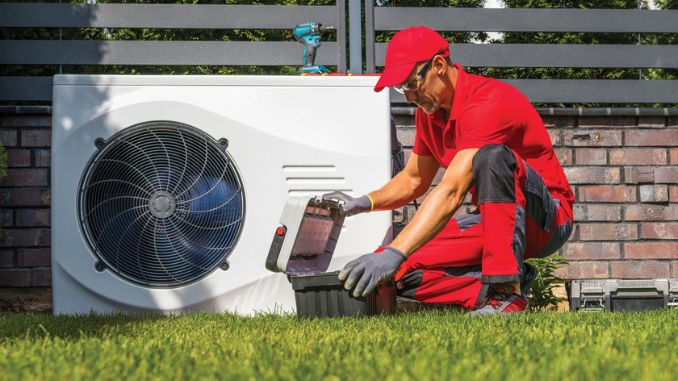
Homeowners often delay replacement — until it’s too late. Knowing the common signs your HVAC system needs replacement can save money and frustration. These signs include:
- Inconsistent room temperatures
- Rising energy costs
- Odd sounds or smells
- Constant repairs
- Equipment over 12–15 years old
If these sound familiar, it’s time to explore a new system that’s more efficient and better suited for your needs.
Final Thoughts
Whether you’re a new homeowner or looking to upgrade, knowing what is HVAC systems can help you make smarter decisions. From choosing the right equipment to scheduling maintenance, staying informed gives you control over your comfort and costs.
Want to boost your home’s comfort and efficiency? Get a professional HVAC evaluation today. Let’s find the perfect system for your space — efficient, affordable, and reliable.
FAQ’s
What is an HVAC system and how does it work?
An HVAC system controls heating, ventilation, and air conditioning by regulating airflow, temperature, and humidity.
What is an HVAC system in a building?
In buildings, an HVAC system provides climate control and fresh air circulation for comfort and safety
What are the types of HVAC systems?
The main types are split systems, hybrid systems, duct-free systems, and packaged heating and air systems.
What are the 4 basic categories of HVAC systems?
The four categories are split system, hybrid system, duct-free system, and packaged system.
What is the full form of HVAC?
HVAC stands for Heating, Ventilation, and Air Conditioning.