
Energy Efficiency Grants for Homeowners: Everything You Need to Know

Upgrading your home for better energy efficiency can feel overwhelming—but it doesn’t have to break the bank. One of the smartest ways to cut costs while improving your comfort is through energy efficiency grants for homeowners. These programs are often offered by federal, state, or local governments, and even some utility companies. They’re designed to make eco-friendly home improvements more accessible and affordable.
If you’re wondering how to take advantage of these opportunities, keep reading. We’ll break it down for you—from eligibility to application, and which upgrades give you the most bang for your buck. For official details on available federal programs, check out the U.S. Department of Energy’s Energy Efficiency & Renewable Energy page.
Why Energy Efficiency Matters?
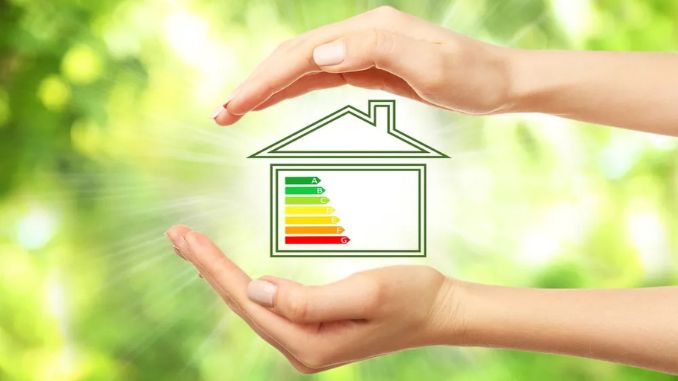
When your home is energy-efficient, you’re not just saving money—you’re also reducing your environmental impact. Whether it’s better insulation, upgrading to ENERGY STAR appliances, or installing solar panels, every step counts.
And the good news? Many of these upgrades may be eligible for federal home energy efficiency grants, or similar programs in your state.
Types of Energy Efficiency Grants Available
There are various programs out there, but the most common types include:
- Government energy grants for home upgrades
- Energy efficiency rebates for homeowners
- Local utility energy-saving programs
- Low-income energy efficiency assistance programs
- State-specific green home incentives
Each has its own application process and eligibility requirements, but the overall goal is the same: to make your home more energy-efficient and reduce long-term costs.
Common Upgrades Covered by Grants
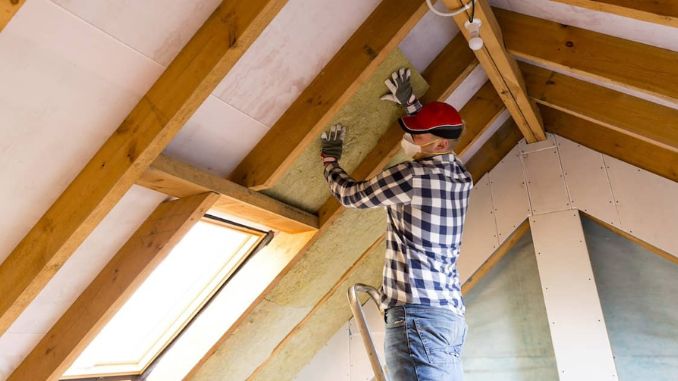
You might be surprised by the variety of improvements that qualify for these grants. Some of the most commonly covered upgrades include:
- Attic and wall insulation
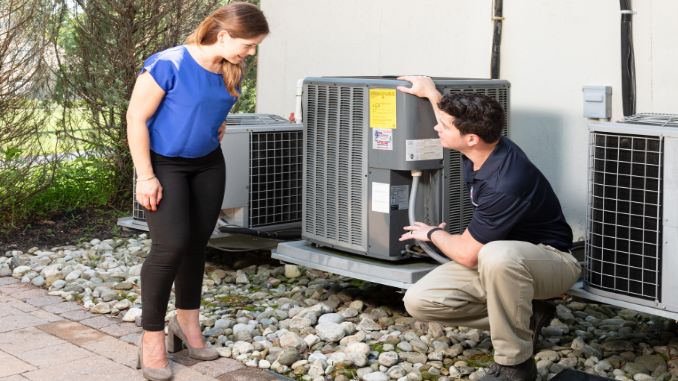
- Energy-efficient HVAC systems
- Smart thermostats
- LED lighting
- Window and door sealing
- Solar panel installations
These improvements can significantly cut down your utility bills, especially when combined with homeowner rebates for energy-saving appliances or similar incentives.
Who Can Apply?
Most residential energy upgrade grants for homeowners are open to:
- Homeowners with properties that meet certain age or energy-usage criteria
- Low-to-moderate income households (for some programs)
- Residents in designated improvement zones or energy-efficiency focus areas
- People replacing outdated or non-compliant heating/cooling systems
Always check with your local and federal programs to confirm the exact qualifications.
Tips to Maximize Your Grant Benefits
Here’s how to make the most of these opportunities:
- Audit first: Get an energy audit to see which upgrades are most needed.
- Prioritize smart investments: Focus on high-return improvements.
- Stack your savings: Combine energy efficiency tax credits for homeowners with grants where possible.
- Act fast: Some programs have limited funds or annual deadlines.
- Work with certified contractors: Many grants require upgrades to be completed by certified professionals.
Final Thoughts
If you’ve been holding off on making energy upgrades to your home, now’s the time to act. Thanks to energy efficiency grants for homeowners, you don’t have to shoulder the cost alone. Whether you’re interested in improving comfort, lowering bills, or doing your part for the environment, these grants make it easier—and more affordable—than ever.
Ready to find out which grants you’re eligible for? Contact us today for a consultation. We’ll guide you through available programs and help you apply fast—no stress, just savings.
FAQ’s
What free energy efficiency grants are available for homeowners?
Grants cover insulation, HVAC upgrades, ENERGY STAR appliances, and solar panels. Eligibility varies by income and location.
How do energy efficiency programs differ by state?
Programs vary: some offer rebates, others low-interest loans. Check your state energy office for details.
Can nonprofits get energy efficiency grants?
Yes. Schools, community centers, and other nonprofits may qualify for grants that reduce energy costs.
Which home improvements qualify for energy tax credits?
Upgrades like insulation, windows, doors, solar panels, and ENERGY STAR appliances often qualify.
What government incentives exist for renewable energy?
Federal and state incentives include tax credits, rebates, and financing for solar, wind, or geothermal installations.